LSS/Cosmology
Explore how the Universe grew from tiny ripples after the Big Bang into the vast cosmic web of galaxies we see today.
How did the rich Universe we see today come to be? From the first stars to galaxies like our own Milky Way, the cosmos has been shaped over billions of years by the interplay between "ordinary" matter and the mysterious "dark matter" that fills the Universe.
In the field of Computational Astrophysics we recreate the Universe using some of the most powerful supercomputers in the world. These simulations allow us to model the complex processes that build the cosmic structures we observe from the smallest to the largest scales: from the emergence of the most massive and the tiniest galaxies to the birth of stars, and the formation of planets and their moons.
By combining observations of our real Universe from telescopes with these detailed virtual universes, we are pushing the frontier of knowledge about the origins of the cosmos.
Scroll down to find more information about the exhibit and to explore online activities.
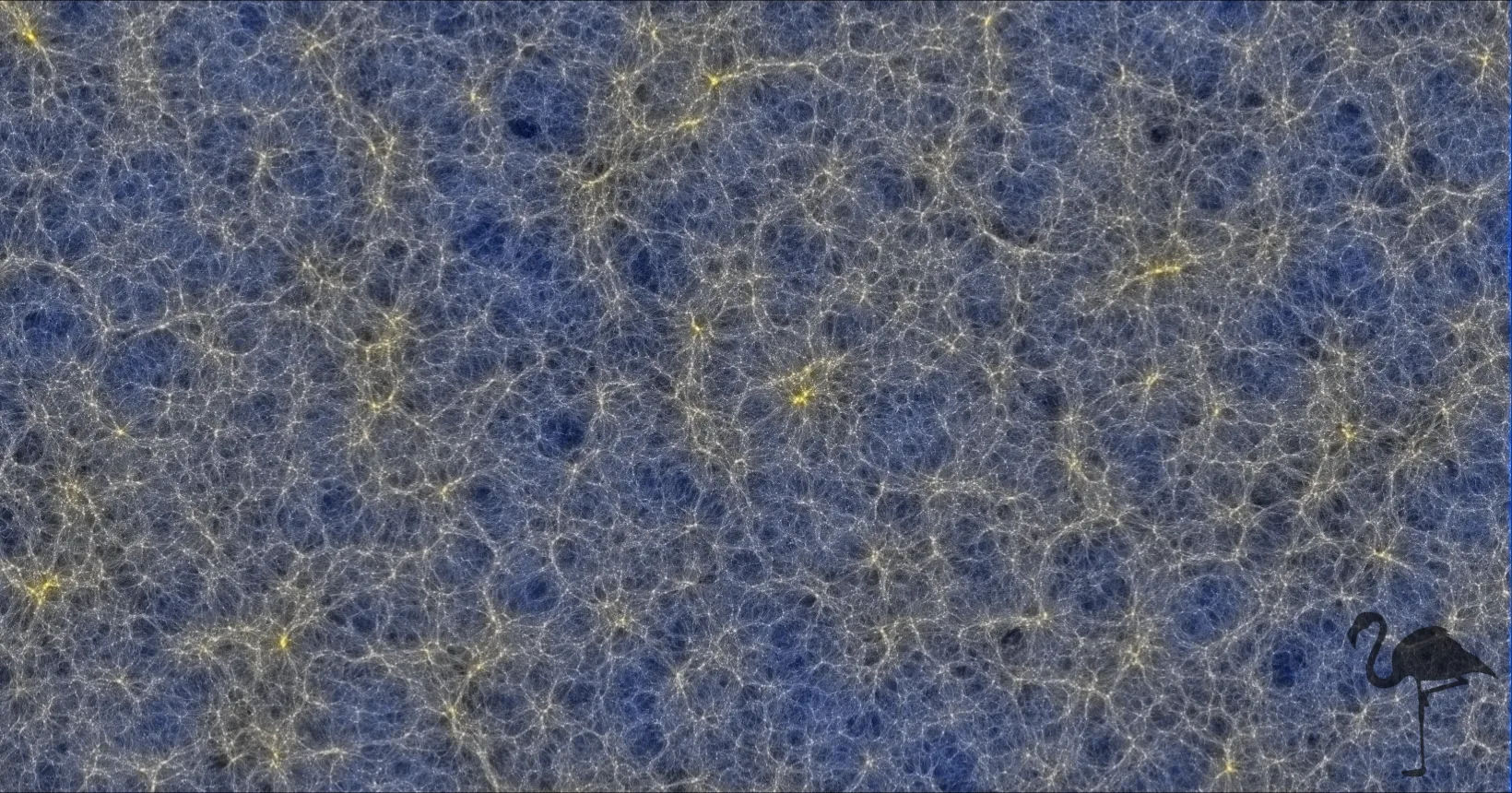
Explore how the Universe grew from tiny ripples after the Big Bang into the vast cosmic web of galaxies we see today.
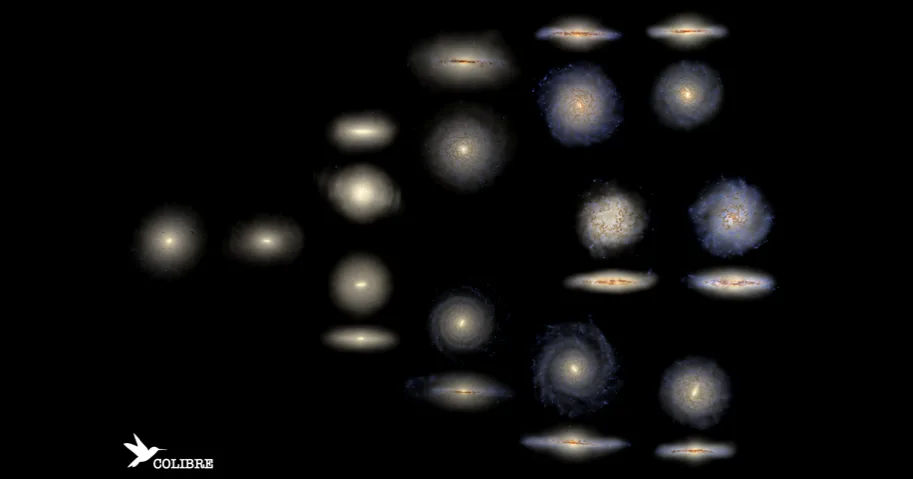
From spirals to ellipticals, galaxies exhibit extraordinary diversity - explore how our simulations capture their formation and the physical processes that shape their differences.
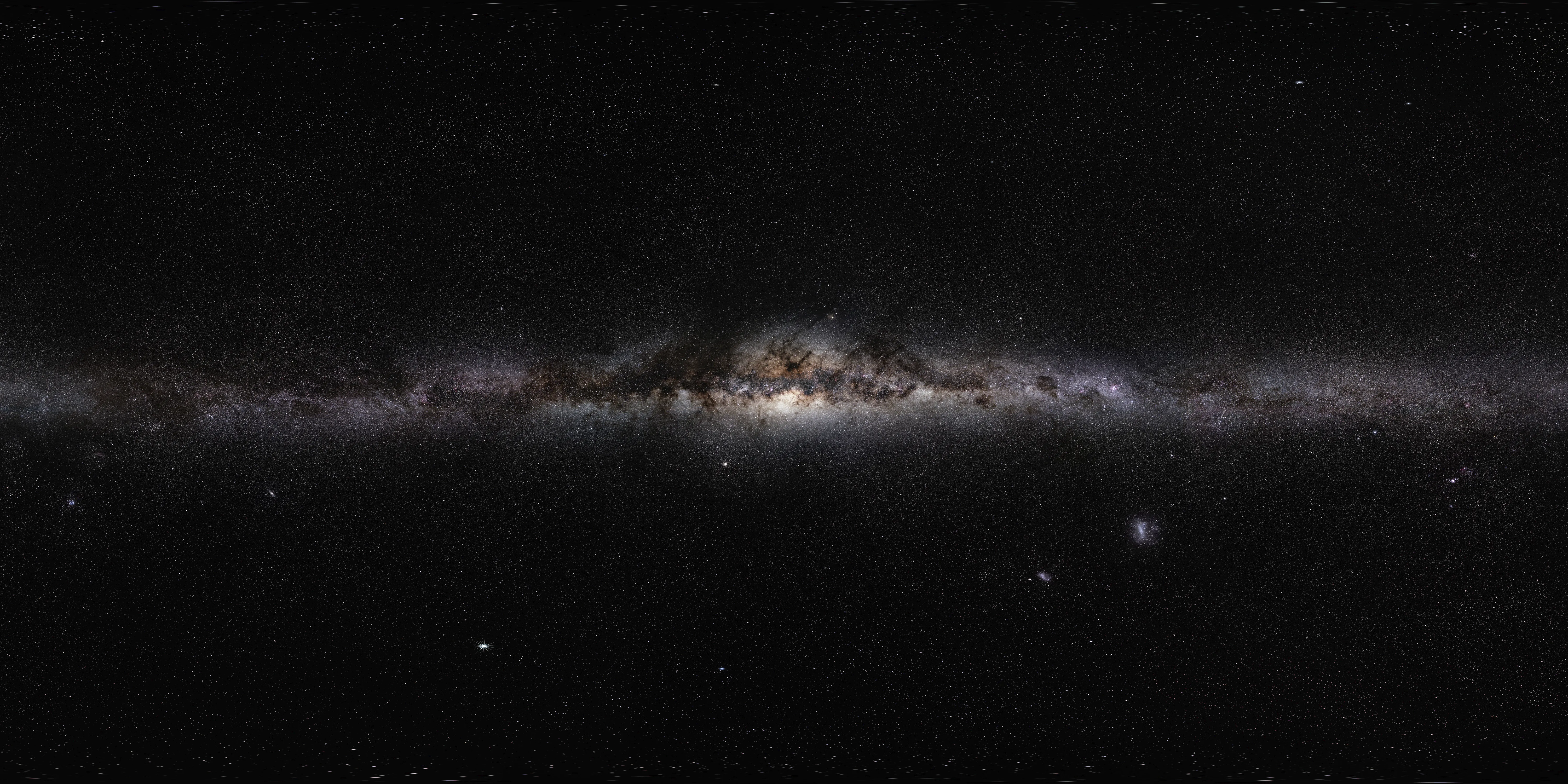
Uncover the clues hidden in the stars and see how astronomers pieced them together to reveal the Milky Way's spiral structure.
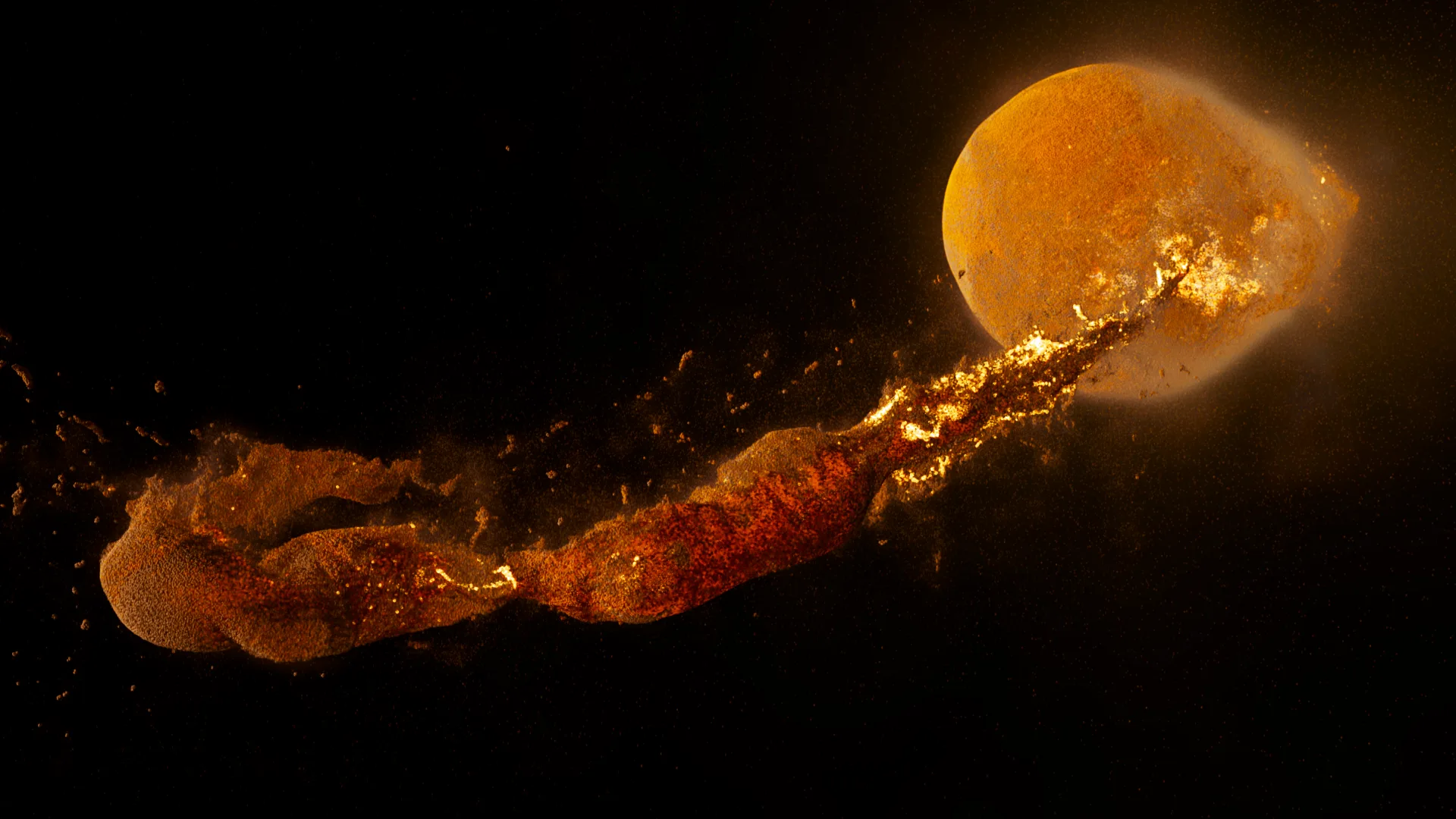
Can you make a moon? Set up your own supercomputer simulations of giant impacts to make your own moon.
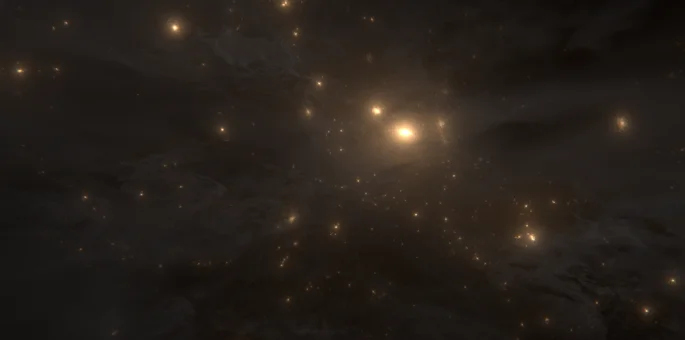
We are committed to an exhibit and associated online content that removes physical, sensory, and cognitive barriers, ensuring all visitors can engage with, understand, and enjoy all the content.